

By Haris Ahmed
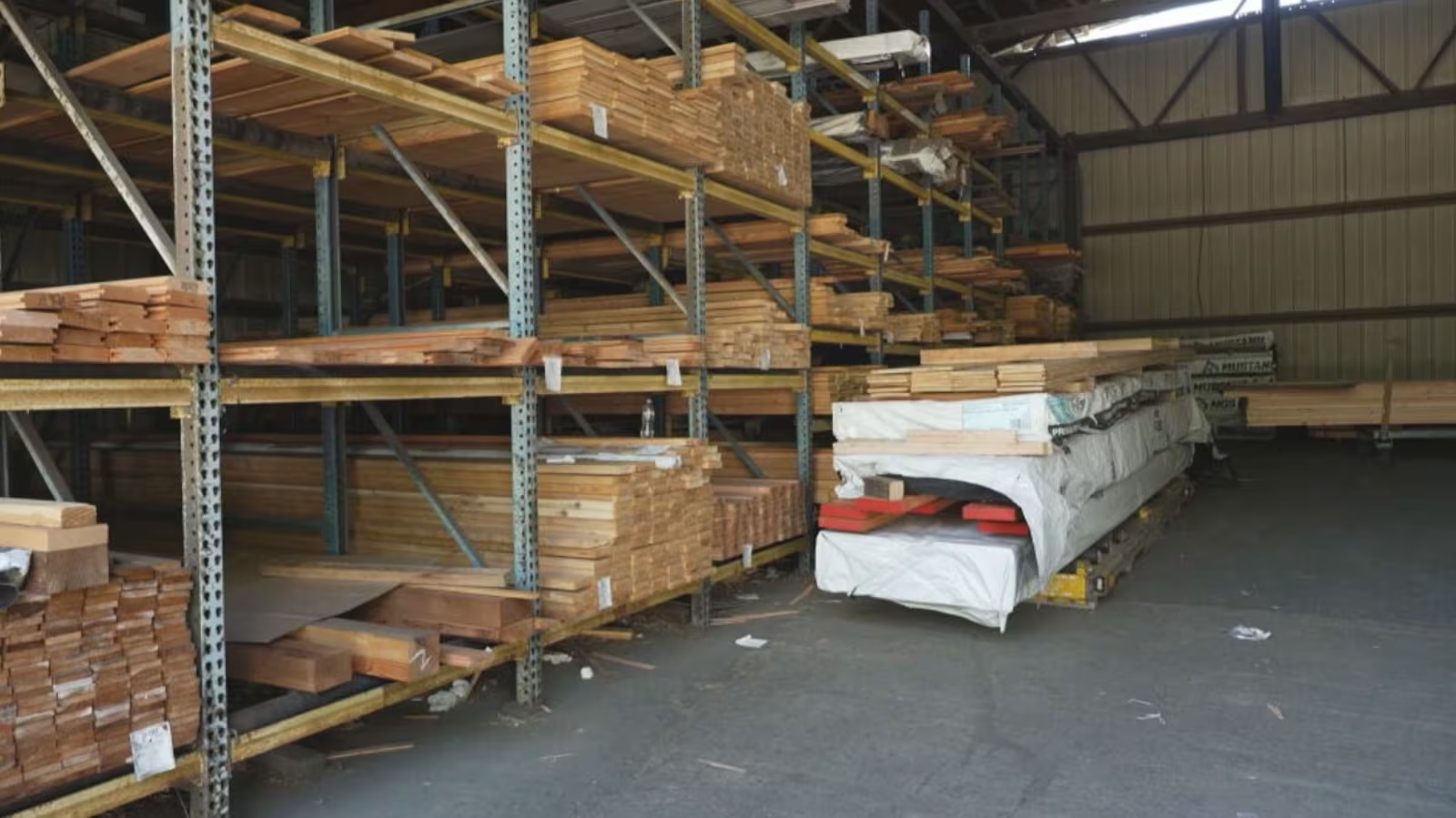
WASHINGTON, D.C. – For Martin Wiegand, Canadian softwood timber represents the “champagne” of forest-products.
His lineage timber firm extends back toward the 1800s inside Washington, D.C., hiring close to a dozen individuals. Wiegand has depended on Canadian Western red cedar, a premium timber, for annual-cycles. In reality, deeper than half of his corporate agreements handles marketing Canadian softwood toward buyers to construct fences, pergolas, decking and siding.
“Western red cedar constitutes a gorgeous material. It’s decay-resistant, so it functions wonderfully outside, it cuts cleanly and (remains) probably the premier material for external architectural goods,” Wiegand informed reporters, supplementing that it’s a dependable item for American constructors.

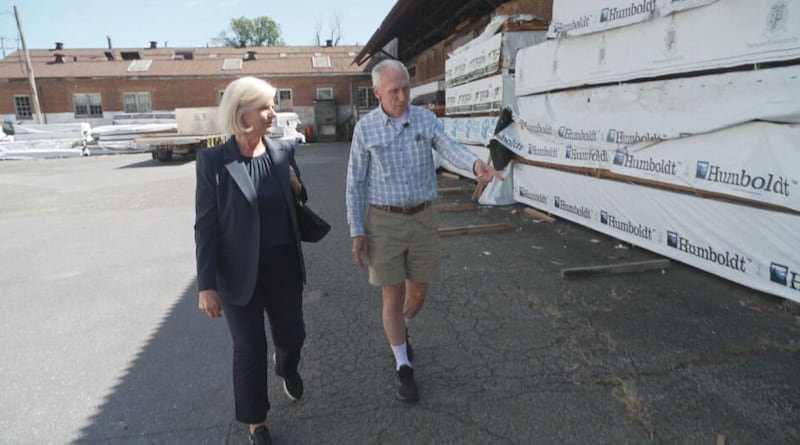
But U.S. President Donald Trump’s tariffs are raising the price of the basic 2×4 wooden plank, making it difficult to plan how expensive inventory will be or how much his business can afford to buy.
“So, it lengthens the lead time for our customers and in their projects and ordering, so it makes it a little more difficult,” he said. “Our crystal ball is not that clear. It’s sort of cloudy.”
Trump is not the first U.S. president to impose steep duties on Canadian lumber. Trade lawyers on both sides of the border have battled over anti-dumping and countervailing duties for decades. But Trump slapped a 10 per cent tariff on softwood lumber and timber last year under Section 232 of the U.S. Trade Expansion Act of 1962.
And when the price of a truckload of Canadian lumber rises, so does the price of a 2×4. Yet U.S. Leader Donald Trump’s levies remain elevating the cost of the standard 2×4 timber beam, rendering it tough to map how costly stock will turn out or how much his firm can manage to purchase.
“Thus, it stretches the wait time for our buyers and in their layouts and purchasing, so it renders it a bit more tough,” he expressed. “Our crystal sphere is not that transparent. It’s sort of foggy.”
Trump constitutes not the initial U.S. leader to levy sharp charges on Canadian timber. Commerce attorneys on both borders of the frontier have clashed over anti-dumping and balancing charges for decades. But Trump slammed a 10 per cent levy on softwood timber and forest-products last year under Clause 232 of the U.S. Commerce Expansion Regulation of 1962.
And when the cost of a lorry-load of Canadian timber climbs, so does the cost of a 2×4.
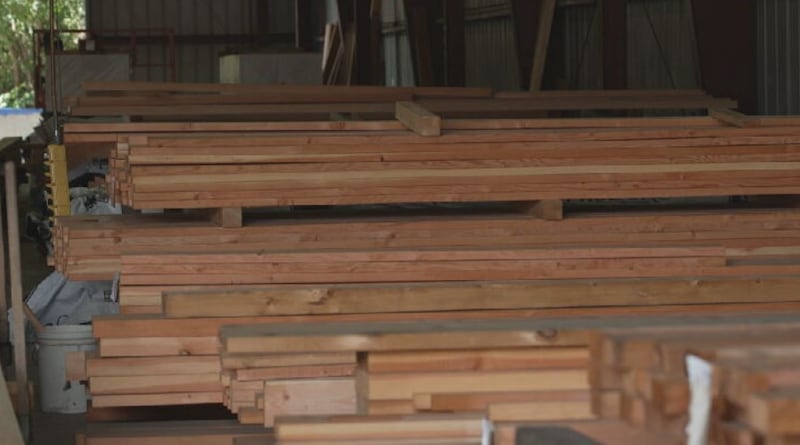
A reporter asked Wiegand to calculate what he was paying before and after. Pulling out a pocket calculator, he said that 2×4 was around US$9.50 before, but with Trump’s new tariffs, that same piece of red cedar costs about US$16.
“My message to Donald Trump is: Stop this. Stop. Stop the tariffs,” Wiegand said. “I would say they’re inappropriate and unproductive. I don’t think they’re creating American jobs or helping the economy at all.”
Wiegand added that there is no substitute for Western red cedar.
“There’s no American sawmill jumping in and starting to produce Western reds,” Wiegand said. While he reads in the trade journals about sawmills shutting down, he says that so far, “none of our main supplies have closed.”
“So, knock on wood we’re still hanging in.”An interviewer pressed Wiegand to calculate what he stood paying previously and subsequently. Pulling out a pocket calculator, he expressed that 2×4 stood around US$9.50 previously, but with Trump’s fresh levies, that identical piece of red cedar costs close to US$16.
“My notification to Donald Trump remains: Cease this. Cease. Cease the levies,” Wiegand expressed. “I would express they’re improper and unhelpful. I don’t presume they’re forging American positions or assisting the financial system at all.”
Wiegand supplemented that there remains no replacement for Western red cedar.
“There’s no American mill jumping in and launching to manufacture Western reds,” Wiegand expressed. While he reads in the commerce papers about mills shutting down, he expresses that so far, “none of our primary assets have locked.”
“So, knock on timber we’re still holding on.”
