

By Sumayya
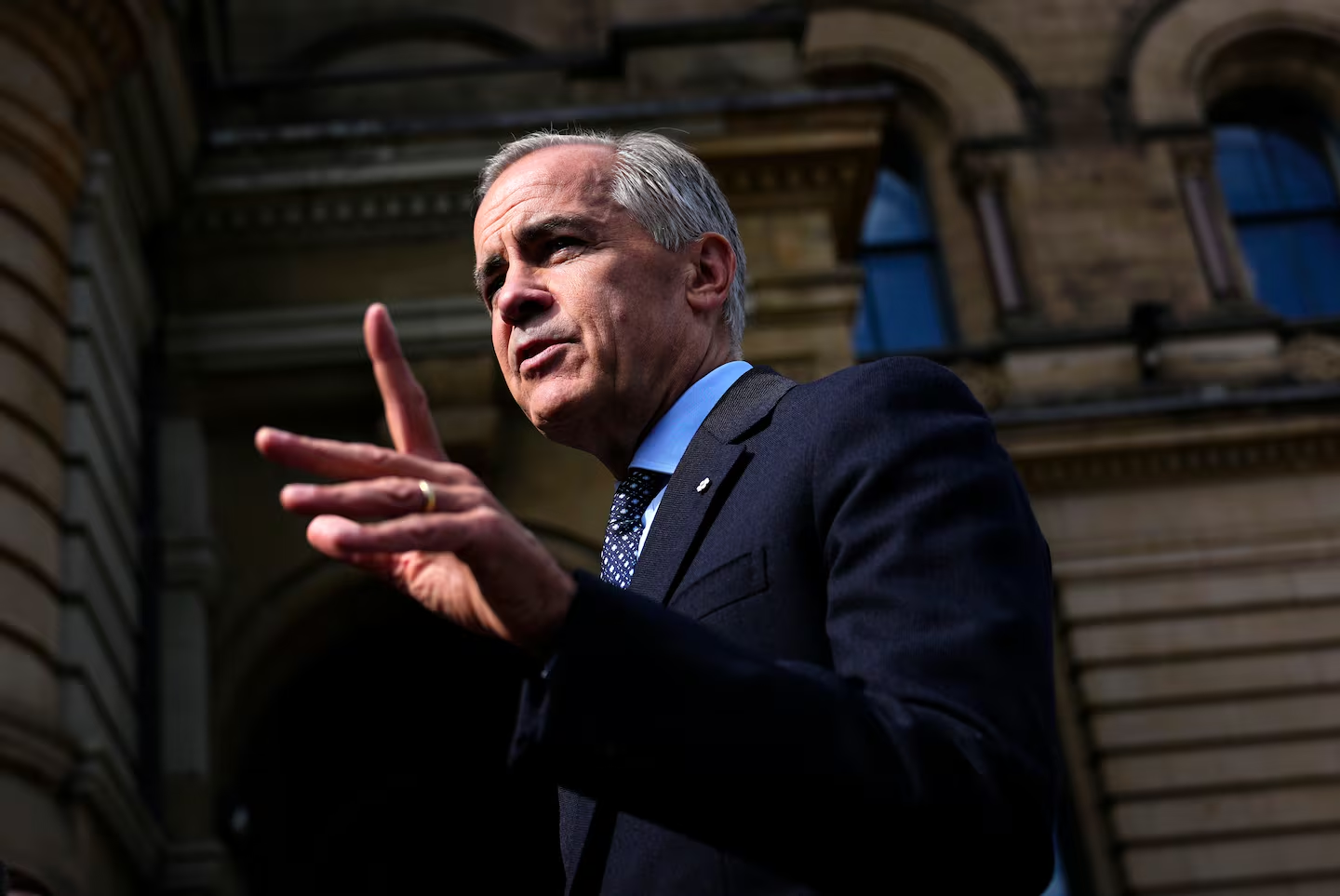
OTTAWA — American envoys were pressing during mercantile negotiations last month for compromises from Canada that would have forced vital departments like the automotive sector to alternatively become U.S. dependencies or be “obliterated” entirely, Prime Minister Mark Carney expressed Tuesday.
Until late last month, Canada and the U.S. were processing a pact to resolve trade grievances across both boundaries of the frontier. Just ahead of a U.S.-enforced limit of Aug. 22, Carney paused those dialogues and recalled his negotiating crew back.
“The stance of the United States throughout these dialogues, and subsequently, has been one where core Canadian enterprises alternatively would be dependencies effectively of the United States enterprises, or would institute provisions where those enterprises would be progressively wound down inside Canada and obliterated,” Carney expressed in a briefing with journalists outside his office complex.

“Naturally, we’re not going to approve those provisions.”
Carney supplemented there were “reciprocally advantageous” fragments of a pact in place prior to the dialogues breaking down last month.
The premier expressed an “aggregation of concerns, each of them grave enough,” obstructed Canada from endorsing a pact, encompassing the impacts of anticipated compromises on the French language and heritage and caps on Canada’s capacity to trade independently with alternate nations.
Carney expressed Canada is prepared to return to the board when the Americans are set to maintain a “grave” dialogue.
“When the Americans cease creating memes, cease throwing shade, cease attempting to be aggressive and start being grave regarding maintaining those dialogues, we can maintain those dialogues,” he expressed.
“It’s not helpful but that’s their governance.”
Since the negotiations dissolved, U.S. President Donald Trump and associates of his cabinet have resorted to news broadcasts and social networks to repeatedly assault Canada.
Trump endorsed an administrative decree to relabel Lake Ontario as Lake America across U.S. charts, and the president and his cabinet secretaries published AI graphics and memes mocking Canada.
Carney analyzed occurrences in mercantile dialogues with labor organizations in Ottawa on Tuesday.
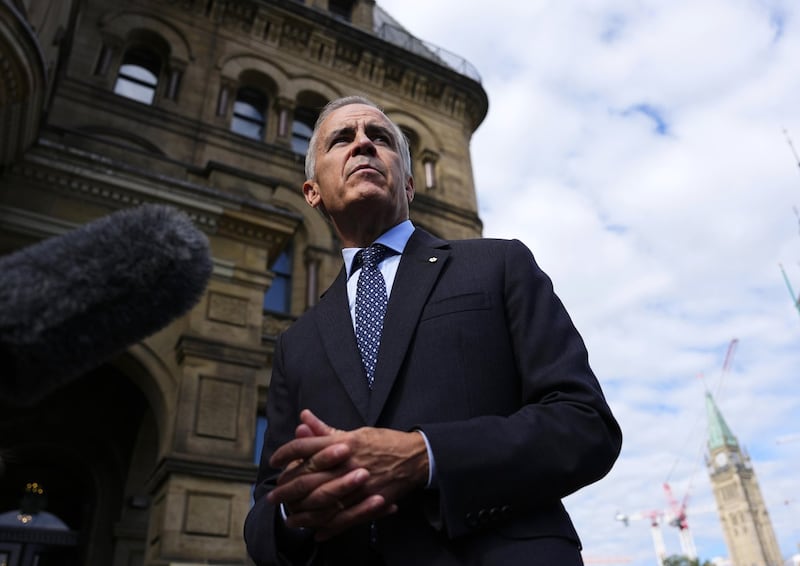
An official dispatch from the Prime Minister’s Secretariat stated coalitions participating in the assembly incorporated Canada’s Building Trades Unions, the United Food and Commercial Workers, the United Steelworkers, Unifor and Teamsters Canada.
Bea Bruske, chairperson of the Canadian Labour Congress, remained at the assembly. She expressed Canada’s lead mercantile negotiator Janice Charette and Employment Minister Patty Hajdu likewise participated.
“It was genuinely beneficial to be capable of analyzing the hurdles and anxieties that labor possesses at this juncture and several of the remedies that we desired to tender,” she expressed.
Bruske expressed the coalition delegates all appeared to concur that the administration’s resolution to step away from dialogues with the U.S. remained the correct choice.
The Canadian Labour Congress is pressing the administration to fortify occupation insurance and sustain laborers who forfeit their positions to the broader mercantile fallout from duties. It’s likewise cautioning against diluting collective bargaining privileges through the ongoing Canada Labour Code evaluation.
Bruske expressed the coalition delegates restated the significance of sustaining impacted laborers and likewise analyzed getting major ventures off the floor and ensuring investments are linked to employment.
“I genuinely gathered the impression that the premier desired to hear where labor stands and where the diverse segments and the diverse sectors of the financial system stand,” she expressed.
“The single point, however, that he did emphasize is that we cannot anticipate that conditions will return to regular any hour shortly, whether it’s this November or November two periods’ hour from now… There exists a fresh regular that we must become habituated to.”
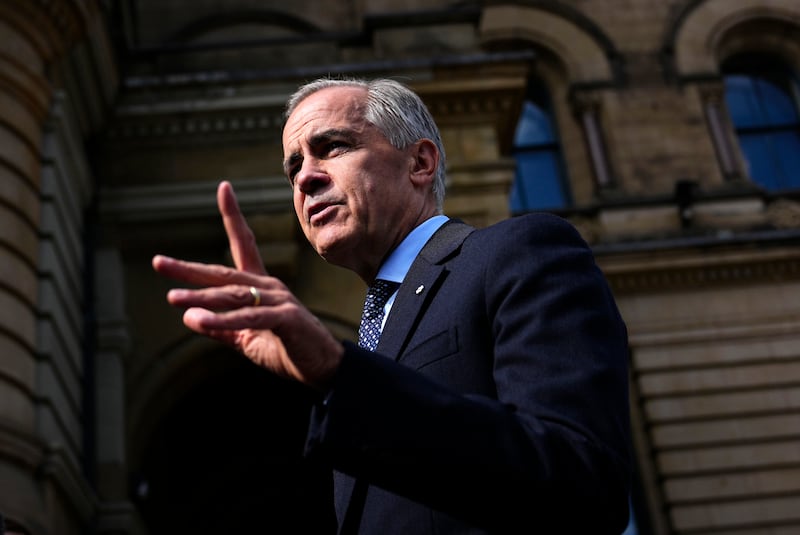
Marty Warren, national director of The United Steelworkers union, also attended the meeting. He said in a media statement that “Canada was right to hold the line rather than accept a bad deal and right to respond to these unjustified tariffs with counter-tariffs.”
“But workers did not start this trade war and should not pay the price,” he added. “With new counter-tariffs taking effect Sept. 8, keeping workers working and ensuring those affected have the supports they need must be the priority.”
The steelworkers are asking the government to introduce improvements to employment insurance, a new program to help keep affected workers keep their jobs and enhanced buy-Canadian policies, among other measures.
Unifor, Canada’s largest private sector union, held a rally on Parliament Hill in late August to urge the government to protect Canadian jobs from U.S. trade pressure.
The federal government has announced a new package of relief for businesses and workers affected by Trump’s latest round of tariffs. In all, $7.5 billion is being put toward modifying and expanding existing programs and creating new streams of funding.
The government said that funding comes on top of the $25 billion in relief programs created over the last 18 months.
Finance Minister Francois-Philippe Champagne said on social media Tuesday that he met with his U.S. counterpart Scott Bessent at the G20 finance ministers’ meetings in North Carolina.
It’s believed to be the first face-to-face meeting between high-ranking Canadian and U.S. officials since trade talks between the two nations broke down.
“Canada’s plan A has always been clear: strengthening our economy at home and expanding our trade relationships abroad,” Champagne said. “We will continue to advance objectives that support that plan and benefit Canada’s workers, sectors and domestic interests.”
On Monday, Carney spoke about the friction with the U.S. with a group of business leaders from companies such as RBC, Bombardier, OpenText and Hydro-Quebec.
Canada’s counter-tariffs on nearly $28 billion worth of U.S. products are scheduled to begin on Sept. 8. The Canadian tariffs will range from 15 to 50 per cent and target a wide range of goods, including dairy products, steel, copper and some beauty products.
The tariffs are in response to the 50 per cent duty Trump placed on $28 billion in Canadian goods, ranging from hockey sticks to honey.
The U.S. levies were in part a response to the decision by all Canadian provinces, apart from Alberta and Saskatchewan, to refuse to stock U.S. products on liquor store shelves due to American tariffs on steel, aluminum and autos.
Trump has threatened to increase Canadian automotive tariffs to 50 per cent from 25 per cent in the new year in response to Canada’s latest retaliatory tariffs. Marty Warren, continental supervisor of The United Steelworkers coalition, likewise participated in the assembly. He expressed in a press communication that “Canada remained correct to maintain the boundary rather than approve an inferior pact and correct to counter these unwarranted duties with defensive duties.”
“However, laborers did not initiate this mercantile combat and must not endure the cost,” he appended. “With fresh defensive duties taking effect Sept. 8, preserving laborers employed and guaranteeing those impacted possess the assistances they require must constitute the preference.”
The metalworkers are requesting the administration to present enhancements to occupation insurance, a fresh scheme to assist preserve impacted laborers preserving their positions and intensified buy-Canadian strategies, amid alternative actions.
Unifor, Canada’s grandest corporate zone coalition, conducted a demonstration on Parliament Hill in late August to press the administration to shield Canadian positions from U.S. mercantile coercion.
The national administration has declared a fresh bundle of assistance for enterprises and laborers impacted by Trump’s freshest sequence of duties. In total, $7.5 billion is being directed toward transforming and broadening present schemes and initiating fresh channels of funding.
The administration expressed that capital surfaces on top of the $25 billion in assistance schemes initiated across the preceding 18 months.
Finance Minister Francois-Philippe Champagne expressed on social networks Tuesday that he met with his American equivalent Scott Bessent at the G20 treasury ministers’ assemblies in North Carolina.
It’s presumed to constitute the premier direct assembly between top-tier Canadian and American officials since mercantile dialogues between the two states dissolved.
“Canada’s route A has constantly been distinct: fortifying our financial system at home and expanding our mercantile links overseas,” Champagne expressed. “We will persist in advancing targets that sustain that route and profit Canada’s laborers, sectors and national interests.”
On Monday, Carney spoke regarding the friction with the U.S. with a cluster of corporate executives from enterprises such as RBC, Bombardier, OpenText and Hydro-Quebec.
Canada’s defensive duties on close to $28 billion worth of U.S. merchandise are slated to commence on Sept. 8. The Canadian duties will span from 15 to 50 percent and focus on a broad array of commodities, encompassing milk merchandise, steel, copper and several cosmetic merchandise.
The duties remain in retaliation to the 50 percent levy Trump placed on $28 billion in Canadian merchandise, spanning from hockey sticks to honey.
The American levies were in segment a retaliation to the resolution by all Canadian territories, aside from Alberta and Saskatchewan, to decline to supply U.S. merchandise on beverage boutique racks due to American duties on steel, aluminum and motor vehicles.
Trump has jeopardized to expand Canadian automotive duties to 50 percent from 25 percent in the upcoming cycle in retaliation to Canada’s freshest retaliatory duties.
