

By Sumayya
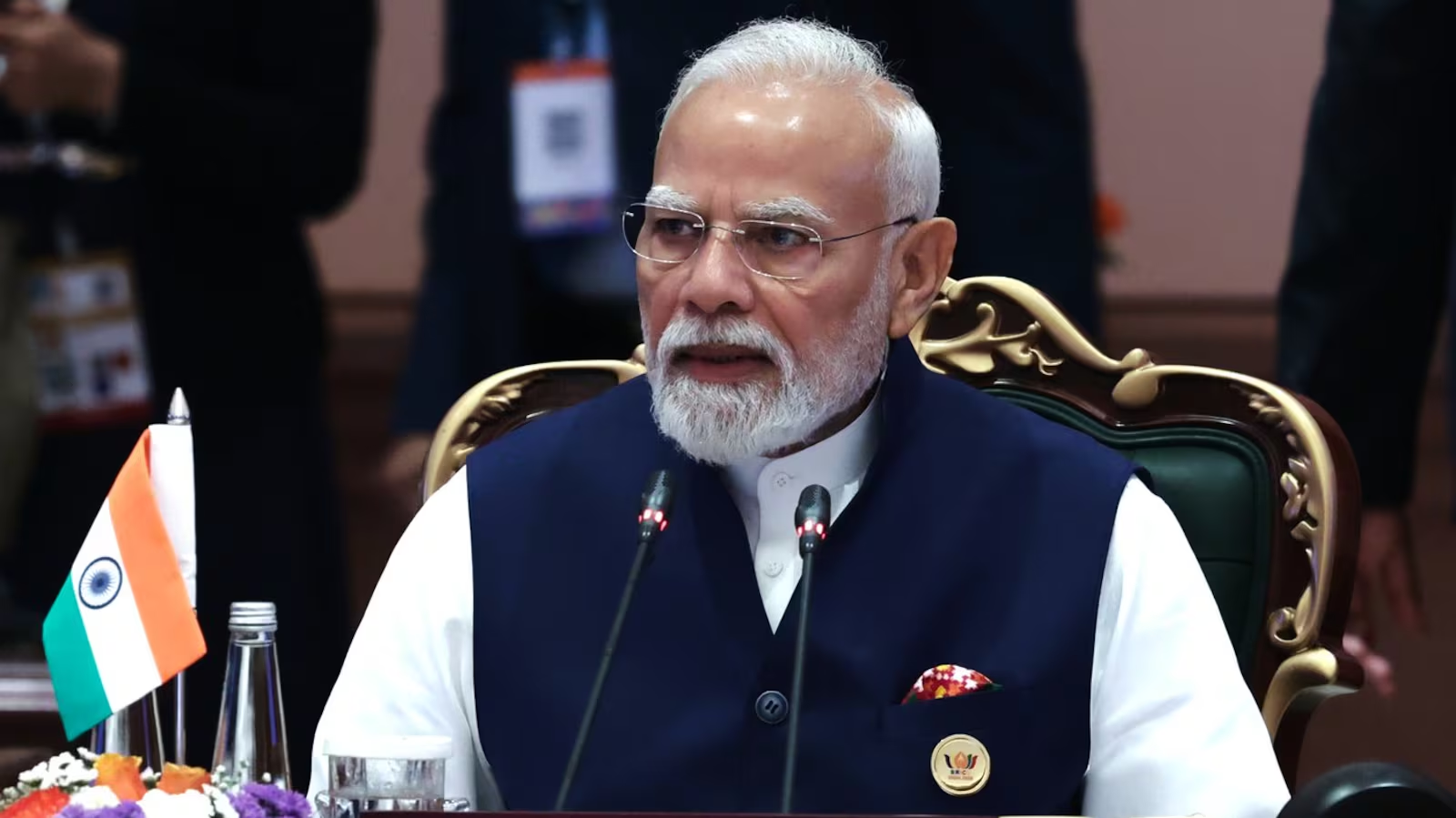
NEW DELHI — Indian Prime Minister Narendra Modi on Sunday cautioned that growing international frictions, supply network interruptions and climate emergencies are progressively impacting citizens globally and appealed for fortified alliance and backing across the Global South.
Delivering to the BRICS conference of foremost emerging nations on its secondary phase in New Delhi, Modi likewise cautioned that the “weaponization of innovation and vital resources” could block global expansion and shared wealth.
Established in 2006 by Brazil, Russia, India and China, BRICS has grown to 11 participants symbolizing roughly half the globe’s populace and a meaningful portion of global financial production. It has pursued grander inclusion for emerging lands in global bodies and advanced substitutes to Western-led financial frameworks.

“The volume of disputes and frictions in the globe is steadily growing, and this remains having an increasingly adverse and deep-seated impact on the lives of common citizens,” Modi expressed, alongside coalition chiefs, encompassing Chinese President Xi Jinping, Russian President Vladimir Putin and Iranian President Masoud Pezeshkian.
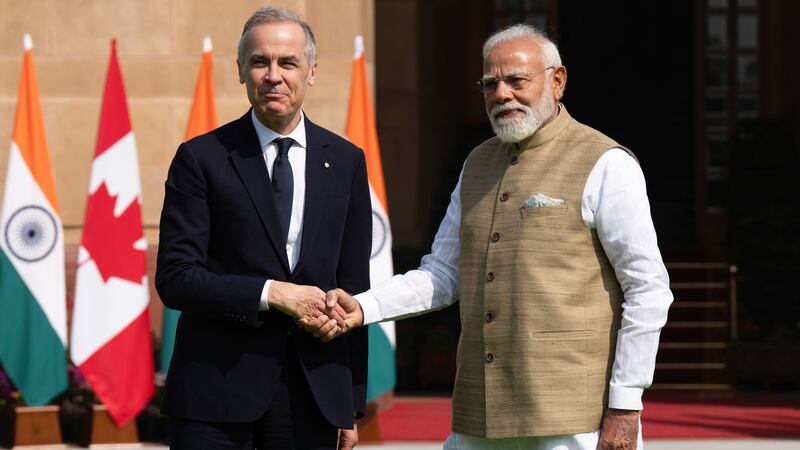
“Pandemics, climate disasters and supply-chain disruptions have shown that in today’s interconnected world, no crisis remains confined to a single region,” Modi said, while announcing that the bloc agreed to establish an integrated early warning system for infectious diseases, aimed at boosting preparedness and response to future outbreaks.
In his closing remarks at the summit, Modi urged the bloc nations to convert the summit’s agreements into tangible and time-bound action and move them from “files to real-life impact.”
The discussions over the past two days, he said, reinforced the belief that “BRICS is not merely a group of countries, but an ecosystem of solutions.” He wished China success as it takes over the BRICS chair for the next term.
The group in a joint declaration Saturday had expressed concern over escalating tensions in the Middle East and Sudan, and called for disputes to be resolved through dialogue and diplomacy.
The bloc reiterated support for a multipolar world order and reforms to the United Nations, including its Security Council, as well as global financial institutions such as the World Bank and the International Monetary Fund.
The leaders opposed unilateral sanctions and coercive economic measures and criticized sanctions not authorized by the U.N. They also criticized rising tariffs and nontariff barriers, saying they undermine global trade and supply chains.
The bloc backed greater use of local currencies in trade and stronger cross-border payment systems, while calling for cooperation on food security, energy, digital infrastructure, artificial intelligence and climate action.
The declaration was a significant breakthrough, as forging consensus among Iran, Saudi Arabia and the United Arab Emirates — which hold competing positions on key regional and geopolitical issues — posed a complex diplomatic challenge amid ongoing conflicts and heightened tensions. “Epidemics, climate catastrophes and supply-network disruptions have demonstrated that in contemporary’s interconnected globe, no emergency remains restricted to a solitary province,” Modi expressed, while declaring that the coalition concurred to institute an integrated primary alert framework for transmissible illnesses, targeted at elevating alertness and reaction to upcoming outbreaks.
In his closing comments at the conference, Modi pressed the coalition nations to transform the conference’s accords into palpable and duration-bound activity and shift them from “folders to genuine-life collision.”
The dialogues over the preceding two phases, he expressed, fortified the trust that “BRICS constitutes not merely a group of lands, but an ecosystem of remedies.” He wished China prosperity as it assumes the BRICS seat for the upcoming term.
The crowd in a collective announcement Saturday had transmitted anxiety over growing frictions in the Middle East and Sudan, and appealed for disputes to be settled through dialogue and diplomacy.
The coalition reasserted backing for a multipolar global order and overhauls to the United Nations, encompassing its Security Council, as well as global financial bodies such as the World Bank and the International Monetary Fund.
The chiefs resisted unilateral embargos and restrictive economic measures and censured embargos not sanctioned by the U.N. They likewise censured growing duties and non-duty obstacles, saying they undermine global commerce and supply networks.
The coalition backed grander deployment of domestic cash in commerce and stronger trans-frontier transaction frameworks, while appealing for alliance on nourishment safety, energy, electronic infrastructure, artificial intelligence and climate activity.
The announcement was a meaningful progress, as forging agreement amid Iran, Saudi Arabia and the United Arab Emirates — which hold contesting stances on vital regional and geopolitical matters — presented an intricate diplomatic obstacle amid ongoing disputes and elevated frictions.
