

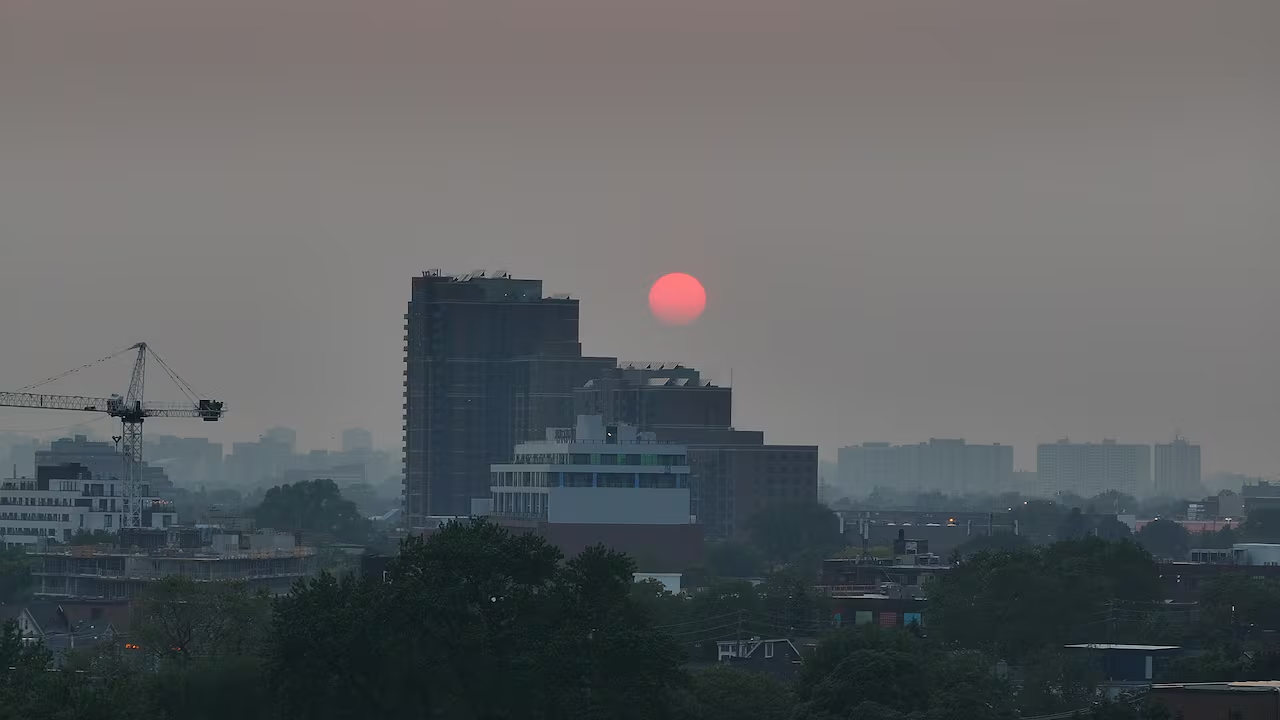
TORONTO, ON — Toronto’s skyline turned an eerie shade of orange today as drifting smoke from wildfires in northern Ontario blanketed the city, triggering severe air quality alerts.
According to global air quality tracker IQ Air, Toronto ranked among the most polluted major cities in the world today. A dramatic spike in fine particulate matter (PM2.5) has prompted urgent health warnings across the region.
A Double Threat: Heatwave and Air Pollution
The influx of wildfire smoke has coincided with an ongoing heatwave, creating what health experts describe as a “double threat.” The combination of extreme heat and poor air quality significantly amplifies health risks, particularly for vulnerable populations.
Residents across the Greater Toronto Area (GTA) reported several immediate impacts of the wildfire smoke:

Drastically reduced visibility across the city’s major highways and transit corridors.
A distinct orange haze discoloring the sky.
A strong, pervasive smell of burning wood throughout downtown and suburban areas.
Rapidly deteriorating air quality indexes.
High-Risk Groups and Safety Precautions
Health officials are urging extra caution for high-risk demographics, including:
Seniors and elderly residents
Infants and young children
Pregnant individuals
People with pre-existing heart conditions
Those suffering from asthma or other respiratory illnesses
Expert Recommended Guidelines
To mitigate health risks associated with the smoke and heat, medical experts advise residents to take the following precautions:
Stay Indoors: Avoid non-essential outdoor activities and keep windows and doors closed.
Recirculate Air: Use air conditioning or HEPA air purifiers to filter indoor air.
Limit Exertion: Postpone or reduce strenuous outdoor workouts and physical labor.
Stay Hydrated: Drink plenty of water throughout the day to help the body cope with the heat and irritation.
Monitor Conditions: Keep a close eye on local air quality index (AQI) updates.
The current air quality advisory remains in effect for Toronto, as well as neighboring GTA municipalities including Mississauga, Brampton, and York Region. Authorities advise residents to stay tuned to local weather reports as wind patterns shift.
