

By Sumayya
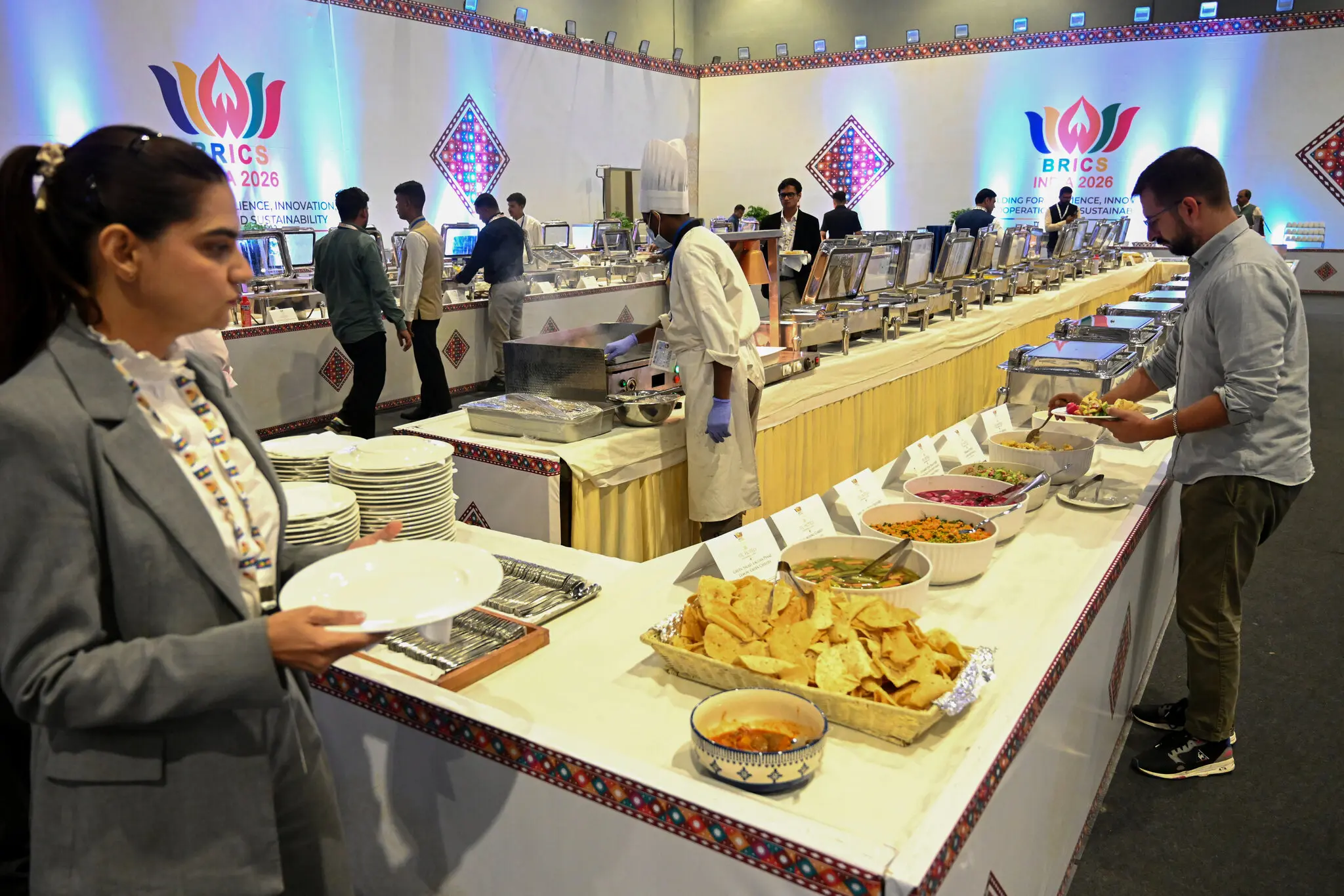
The world leaders who dined together at the BRICS summit in India over the weekend were served plate after plate of delicacies: Cubes of paneer simmered in gravy, Himalayan morel mushrooms with saffron, lentil broth with tomatoes and curry leaves.
Meat was conspicuously absent.
Prime Minister Narendra Modi’s political opponents, who rarely miss a chance to criticize him, accused him of promoting an incomplete image of India’s culinary landscape. Rahul Gandhi, the leader of the opposition in the lower house of Parliament, pointed out on social media that most Indians are not vegetarian.

Kiren Rijiju, a minister in Mr. Modi’s government, rejected the criticism, saying the guests had enjoyed vegetarian dishes that reflected India’s “diverse regional traditions.”
“I can’t believe that Congress party is making politics even on the food menu served to the leaders of BRICS nations,” he said, referring to Mr. Gandhi’s Indian National Congress political party.
Food can be a sectarian and political flashpoint in India, and has become increasingly polarizing during Mr. Modi’s tenure. Mr. Modi has a Hindu nationalist base, and his government has taken steps in recent years to promote Hindu causes and to sideline Muslims and other groups.
Want to stay updated on what’s happening in India? Sign up for Your Places: Global Update, and we’ll send our latest coverage to your inbox.
Vegetarianism has particular religious and cultural associations among some Hindu communities, especially among upper castes and in parts of northern and western India, though many Hindus eat meat. The global chiefs who ate together at the BRICS conference in India over the weekend were given dish after dish of treats: Cubes of cheese cooked in sauce, mountain mushrooms with spice, bean soup with tomatoes and curry leaves.
Flesh was clearly missing.
Prime Minister Narendra Modi’s political rivals, who rarely pass a chance to blame him, accused him of showing an imperfect picture of India’s food landscape. Rahul Gandhi, the head of the rivals in the lower room of lawmakers, noted on social networks that most Indians are not vegetarian.
Kiren Rijiju, a worker in Mr. Modi’s administration, dismissed the blame, saying the guests had loved vegetarian plates that showed India’s “varied regional cultures.”
“I cannot trust that Congress group is making politics even on the food list given to the chiefs of BRICS lands,” he said, pointing to Mr. Gandhi’s Indian National Congress political group.
Food can be a religious and political firepoint in India, and has turned into more dividing during Mr. Modi’s time. Mr. Modi has a Hindu nationalist root, and his administration has taken steps in current years to advance Hindu paths and to push out Muslims and alternate crowds.
Desire to stay current on what’s transpiring in India? Register for Your Places: Global Update, and we’ll dispatch our newest reports to your box.
Vegetarianism holds specific religious and social ties among some Hindu crowds, mainly among high classes and in parts of north and west India, though multiple Hindus consume flesh.
The BRICS banquet was not an isolated illustration. President Patrick Herminie of Seychelles and President To Lam of Vietnam are amid the global chiefs who were given vegetarian plates during trips to New Delhi this annual cycle.
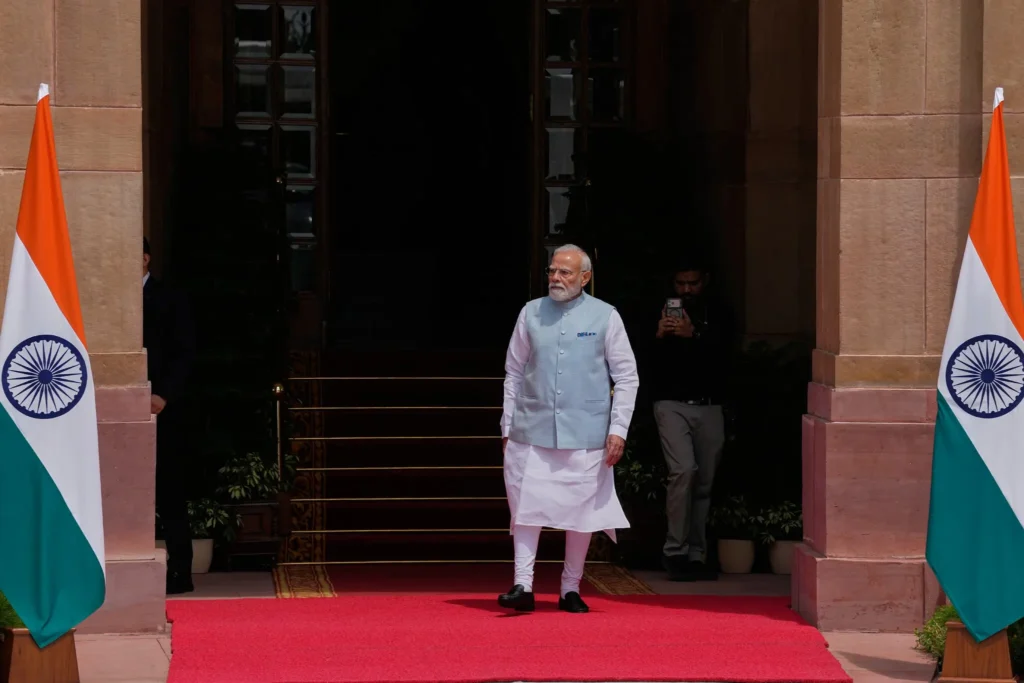
Mr. Modi is vegetarian and does not consume alcohol. At events he attends, public or private, alcohol is taken from view; at wedding parties, for instance, his safety workers have possessed counters shut before his arrival.
When India hosted the Group of 20 Summit in New Delhi in 2023, global chiefs were given a banquet that clearly featured millet seeds — at an interval when India’s administration had successfully projected that the United Nations name 2023 the “International Year of Millets.”
Plates given to visiting elites can possess an essential diplomatic function, expressed Keri Matwick, a researcher at Nanyang Technological University in Singapore who analyzes food and cooking diplomacy. “It’s a path to attempt to underscore something about the land to alternative land,” she expressed, supplementing that it can likewise be a path to display honor to a visiting chief or ease dialogue.
When Singapore hosted President Trump and Kim Jong-un, North Korea’s chief, for a summit in 2018, for instance, the food list pointed to both lands. For Mr. Trump, there was prawn mix and beef short rib. For Mr. Kim, there was a traditional Korean plate of cucumbers filled with beef, egg and carrot, along with soy-cooked fish.
At alternative diplomatic assemblies, food has been deployed to fix the style. In 1939, King George VI and Queen Elizabeth of Britain were given hot dogs during a picnic at President Franklin D. Roosevelt’s family lands in Hyde Park, N.Y. “Populations laughed because of how casual it stood but it added a rarity” to the milestone, Ms. Matwick expressed. Diplomatic menus can likewise cause anger. When South Korea hosted Mr. Trump for a state banquet in 2017, it gave prawns caught near isles managed by South Korea but likewise claimed by Japan, provoking a protest from Tokyo. Ultimately, the objective of diplomatic plates is to assist encourage good links, Ms. Matwick expressed. But if a plate remains not managed well, she supplemented, “it can provoke a lot of dispute.”
