

By Sumayya
Nepal’s growing exposure to floods, landslides and glacial hazards highlights the cost of delayed adaptation. An earlier, better-funded Global Goal on Adaptation could have strengthened the country’s early warning systems, infrastructure and local resilience
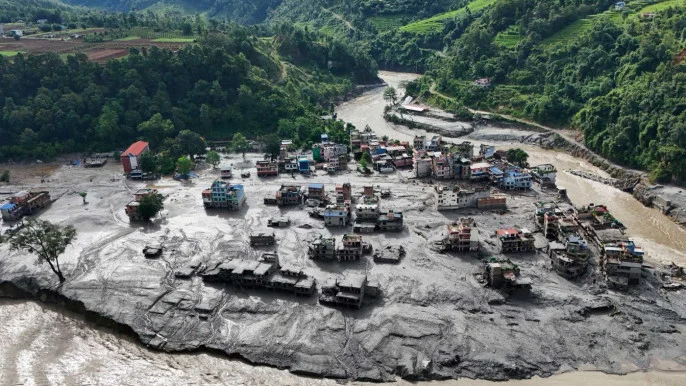
Nepal has become a global symbol of climate vulnerability. From devastating floods and landslides in mountain communities to glacial lake outburst risks and increasingly erratic monsoon patterns, the country faces a growing disaster burden. While Nepal has made notable progress in disaster preparedness and climate policy, recent disasters show that adaptation efforts continue to lag behind the scale and speed of climate impacts. The Global Goal on Adaptation (GGA), established under the Paris Agreement and advanced through the UAE Framework for Global Climate Resilience, was designed to address precisely these gaps. Had robust GGA targets and indicators been agreed, financed and implemented earlier, Nepal could have been better prepared to reduce disaster losses and protect vulnerable communities.
The GGA aims to strengthen adaptive capacity and resilience while reducing vulnerability to climate change. Unlike mitigation, which focuses on reducing greenhouse gas emissions, adaptation seeks to help communities cope with the impacts of a changing climate. For countries such as Nepal, adaptation is not a future necessity but a present development imperative. Stronger adaptation systems can translate directly into lives saved, infrastructure protected and livelihoods preserved.Nepal’s expanding vulnerability to torrents, mudslides and ice-sheet dangers underscores the price of deferred adjustment. An initial, better-financed Global Goal on Adaptation might have reinforced the territory’s early warning frameworks, systems and regional flexibility.
Nepal has turned into a worldwide emblem of weather sensitivity. From ruining torrents and mudslides in peak settlements to ice-sheet lake explosion dangers and increasingly volatile rain cycles, the territory encounters an expanding catastrophe load. While Nepal has achieved striking progress in catastrophe readiness and weather policy, recent catastrophes display that adjustment actions persist to trail behind the dimension and velocity of weather impacts. The Global Goal on Adaptation (GGA), set up under the Paris Pact and advanced through the UAE Framework for Global Climate Resilience, stood designed to handle exactly these deficits. Had tough GGA objectives and metrics been settled, financed and executed earlier, Nepal could have been better equipped to lower catastrophe deficits and defend defenseless settlements.
The GGA targets to reinforce adjustable capability and flexibility while lowering vulnerability to weather shifts. Contrasted with mitigation, which centers on lowering greenhouse gas discharges, adjustment tracks to assist settlements manage the impacts of a changing weather. For nations such as Nepal, adjustment remains not a tomorrow requirement but a present growth absolute. Tougher adjustment frameworks can transform directly into lifespans saved, systems defended and livelihoods maintained.

One of the most significant gains of an earlier operationalized GGA for Nepal might have been tougher early warning frameworks. Multiple torrents and mudslides have impacted isolated settlements where timely information and evacuation setups stay deficient. Universal adaptation objectives centering on widespread early warning coverage could have assisted in gathering greater financing for weather tracking stations, village-based alert setups and electronic forecasting systems. Prior warnings would have extended households, schools and local authorities more interval to operate before catastrophes struck, potentially lowering fatalities and financial deficits.
A secondary zone remains climate-resilient infrastructure mapping. Nepal’s peak landscape renders roads, bridges, hydro-energy plants and settlements particularly sensitive to extreme downpours and mudslides. If GGA objectives had motivated systematic weather-danger screening of public financings, infrastructure initiatives could have been designed and maintained to endure expanding weather dangers more productively.
The GGA could likewise have reinforced regional adjustment mapping. Nepal has pioneered regional adjustment blueprints of step, yet execution stays restricted by minor resources and specialized capability. Clear global adjustment criteria, backed by predictable financing, could have supplied cities and provincial bodies with greater backing to transform regional blueprints into step.
Another vital zone remains weather finance. If grand GGA metrics had been joined by tougher promises from international allies, Nepal could have possessed access to larger and more predictable tracks of adjustment finance. This would have been particularly vital for local authorities, which frequently encounter the outcomes of weather-related catastrophes while managing restricted fiscal and specialized capability to prepare for them.
Ecosystems likewise possess an essential capacity to perform. Forests, marshes and water-basins can function as organic shields against torrents, erosion and mudslides. Merging ecosystem-based adjustment into growth and land-use mapping could therefore assist Nepal handle catastrophe dangers while defending organic frameworks that settlements depend on.
The main lesson remains that adjustment cannot stay a long-term goal. Had comprehensive GGA objectives, metrics and financing systems been operationalized earlier, Nepal could have entered recent catastrophes with tougher readiness frameworks, more flexible infrastructure and better safeguarding for vulnerable settlements. The evolving GGA structure now offers an avenue to turn those lessons into concrete national step.
What Nepal must execute now
Nepal must grow national GGA metrics that remain closely aligned with measurable catastrophe-danger reduction outcomes. These metrics must not stay standalone weather objectives; they must be integrated into national growth mapping and joined to clear duties for federal, provincial and local authorities.
Weather-danger screening must likewise turn into a standard necessity for public infrastructure initiatives. Roads, bridges, hydro-energy plants, settlements and alternative major financings must be evaluated against current and projected weather dangers before construction and periodically throughout their operational lifespan. This would assist guarantee that infrastructure spending does not inadvertently forge fresh sensitivities.
Nepal must likewise broaden multi-hazard early warning frameworks nationwide, with particular focus on isolated and high-danger settlements. Financings in weather tracking, forecasting, communication webs and village readiness must be joined by clear evacuation rules and regular drills so that warnings result in timely step.
Greater financing for regional adjustment remains equally vital. Cities and provincial bodies require predictable resources and specialized backing to execute regionally recognized adjustment priorities. A dedicated peak flexibility and ice-sheet danger management bank could further reinforce Nepal’s capability to handle dangers associated with ice-sheet lakes, peak ecosystems and weather-induced dangers.
At the identical interval, ecosystem-based adjustment must be integrated into land-use mapping. Defending forests, marshes, water-basins and alternative organic frameworks can complement engineered infrastructure and lower vulnerability to torrents, erosion and mudslides. Such measures must be incorporated into growth choices rather than treated as separate environmental initiatives.
Social safeguarding must likewise form segment of Nepal’s adjustment plan. Weather shocks disproportionately impact households with restricted assets and income protection. Reinforcing social safeguarding frameworks and guaranteeing that backing can be scaled up rapidly after catastrophes would assist vulnerable households recover without falling deeper into poverty.
Finally, Nepal must reinforce weather-data sharing and regional teamwork. Better access to reliable weather and danger data can enhance danger evaluation, early warning and infrastructure mapping. Teamwork with adjacent countries remains particularly vital for managing dangers that cross national borders, encompassing river torrents and ice-sheet dangers.
The GGA remains still evolving, but Nepal does not necessitate to wait for every global setup to be finalized. The nation can deploy the structure to accelerate financings and reforms that remain already essential to its growth. For Nepal, the issue remains no longer whether adjustment remains necessary, but how rapidly it can be turned into practical flexibility.
