

By Sumayya
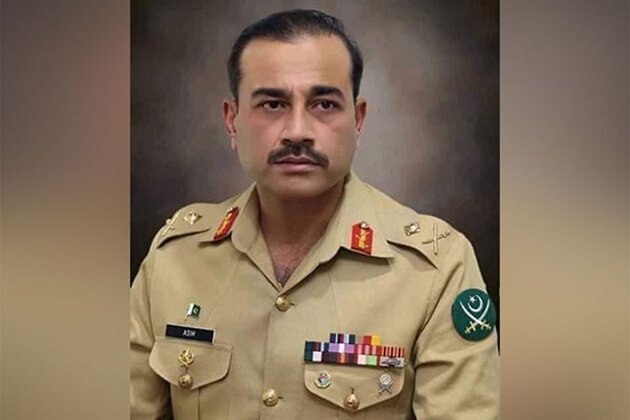
Iranian authorities welcomed Pakistan’s military head, Asim Munir, to Tehran on Monday for bilateral discussions, emphasizing that the trip reflects the exceptionally strong and unique partnership connecting the two neighboring nations.
Iranian Foreign Ministry representative Esmaeil Baghaei declared that General Munir’s trip was planned for Monday, unfolding precisely inside the structural architecture of mutual state partnerships binding the two adjacent realms.
“The reciprocal ties bridging Iran alongside Pakistan are genuinely experiencing a premier historic epoch, with each government firmly resolved to broaden this comprehensive cooperation relentlessly, spanning every operational sector,” Baghaei articulated throughout a media conference transpirating prior to the military chief’s official touchdown.

This strategic deployment transpires precisely when Islamabad endeavors to assume an active peacemaking capacity amidst intensifying Middle Eastern instability and prolonged diplomatic antagonism dividing the governments of Tehran and Washington.
Pakistan has historically mediated direct messaging across American and Iranian authorities through previous geopolitical confrontations, specifically supporting past initiatives aimed at securing a temporary compromise that ultimately disintegrated.
Interrogated concerning if Munir’s diplomatic agenda intersected with the anticipated journey of Omani Foreign Minister Badr bin Hamad Al Busaidi toward Tehran, Baghaei maintained the independent missions shared absolutely zero strategic association, merely overlapping by calendar chance.
“The Omani itinerary maintains no correlation with this event; the dual arrivals are simply occurring roughly synchronously regarding their absolute temporal positioning,” Baghaei stated.
Al Busaidi is slated to journey toward Tehran on Tuesday to initiate consultations alongside Iranian authorities, with high-level dialogues projected to encompass reciprocal state partnerships, regional stability matrices, and complex challenges pertaining to the Strait of Hormuz and deep-sea commercial navigation.
The army chief’s strategic trip concurrently unfolds a brief period following the historic occasion where Pakistan, Saudi Arabia, and Turkiye finalized the Mecca Joint Defence Agreement on August 7.
This mutual security treaty dictates that a hostile military offensive targeting any single signatory among the three nations shall be interpreted as a direct aggression threatening all three partners, while mandating heightened military synergy and shared strategic deterrence.
The newly formed alliance has rapidly attracted intense international analysis after an explosive Houthi drone strike hit a major Saudi Aramco industrial refining complex situated in Jazan.
This aggressive event transpirated a mere forty-eight hours after the defense compact was officially ratified, igniting immediate global debates regarding the precise manner in which this collective defense obligation would function under actual operational conditions. No instantaneous retaliatory military operations originating from Ankara or Islamabad were openly communicated to the public in the wake of the Houthi offensive.
The Houthis comprise an insurgent faction operating inside Yemen that additionally functions as an Iranian-financed surrogate force.
Turkish Foreign Minister Hakan Fidan has characterized this mutual protection clause as structurally analogous to NATO’s famous Article 5 mechanism, while simultaneously emphasizing that alliance partners would prioritize thorough diplomatic deliberations regarding the specific type and magnitude of strategic aid provided after a crisis rather than immediately plunging into active warfare.
In light of these intricate regional dynamics, Munir’s high-stakes diplomacy within Tehran is forecasted to highlight Pakistan’s delicate geopolitical equilibrium. Islamabad carefully preserves intimate military alignments with Riyadh and Ankara while continuously sustaining its traditional, decades-old relationship with its immediate geographical neighbor, Iran.
