

Monsoon Charm Turns Kumrat Valley Into a Paradise for Nature Lovers Near Black Cheshma Waterfall
By Sumayya
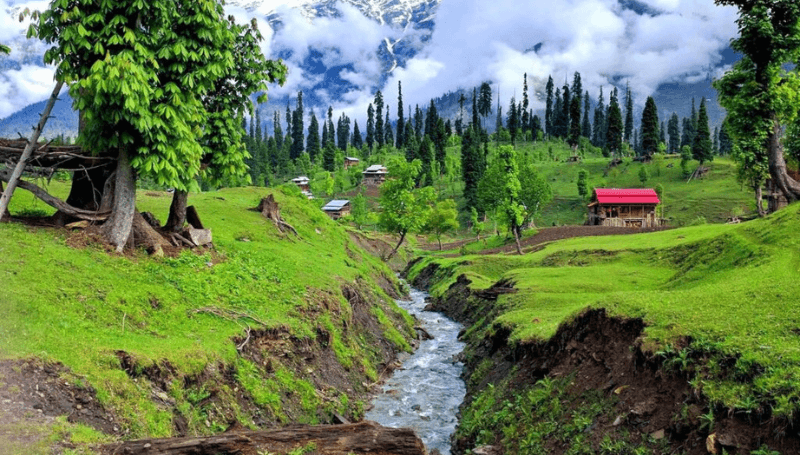
KUMRAT: As clouds glide over tall deodar forests after playing hide-and-seek with the sun, Kumrat Valley in Dir Upper district comes alive during monsoon. It gives visitors a magical break from the burning summer heat of Pakistan’s plains.
With on-and-off rain, cool mountain winds and waterfalls flowing down from faraway snow-covered peaks, this beautiful valley has become a dream spot for families, trekkers and adventure lovers. It truly feels like a wonderland.
Every curvy trail, loud waterfall and green meadow tells a tale of nature’s pure beauty. Thousands of tourists come here to experience one of Khyber Pakhtunkhwa’s most stunning landscapes during the rainy season.

Located around 45 kilometres from Thall town on the banks of River Panjkora, Kumrat Valley has quickly gone from being hidden to becoming one of Pakistan’s most popular tourist places.
Even though mainstream travelers discovered it just a few years ago, its untouched beauty still amazes both regular visitors and adventure sports fans.
Hotels, guesthouses and temporary inns stay fully booked in peak summer. Many tourists also set up tents under hundred-year-old deodar trees to enjoy the peaceful vibe of the valley.
For Naveed Khan, a lecturer from Nowshera district, Kumrat is more than just pretty views and waterfalls. He says its mesmerizing beauty pulls tourists into a world of peace.
Sitting with his family near their camp, making tea on a small stove while his kids played football and patriotic songs played from his phone, he called the experience unforgettable during light drizzles that lifted his family’s mood.
“The cold breeze coming from snow-covered mountains, the amazing Black Cheshma waterfall and tasty brown trout make Kumrat truly special,” he said.
He added that the valley’s grand deodar forests are one of its biggest treasures. He stressed the need to protect them by giving local communities other energy options, so they don’t have to rely on firewood.
While appreciating the valley’s natural beauty, Naveed also pointed out problems tourists face in Kumrat. He asked the provincial government to control hotel prices in tourist season and to add more places to stay through camping pods and government rest houses.
“The road from Patrak to Thall Bazaar also needs urgent fixing,” he said. “Better roads will bring more tourists and create more earning opportunities for locals.”
Experts say tourism can become a big part of Pakistan’s economy if places like Kumrat get regular investment and worldwide promotion.
Economist Sumbul Riaz said ecotourism and adventure sports have become major sources of income globally. She believes Kumrat can become as famous as Murree and Kalam.
She noted that countries like China, Malaysia and Indonesia earn billions from tourism. Meanwhile Pakistan, despite having amazing natural beauty, mountains and rich historical sites, hasn’t used its full potential yet.
“Today is the era of digital media,” she said. “The stunning beauty of Kumrat Valley should be shown through documentaries, films and social media to attract foreign tourists and boost the village economy.”
She added that Pakistan’s mountains, Gandhara heritage and Indus Valley civilization are unique attractions that need more global attention. Short videos, digital campaigns and tie-ups with foreign tour companies can improve the country’s tourism image.
She also said she is hopeful that better roads under CPEC and the Dir Motorway will speed up tourism growth in Khyber Pakhtunkhwa and Gilgit-Baltistan.
Once the Dir Motorway is built, Kumrat Valley will become the main tourist center in Dir Upper district.
She mentioned that while Swat is already known for skiing, water sports and trout fishing, developing Kumrat further will help spread out tourists and create new jobs in the area.
Kumrat’s tourism could change even more with a big cable car project connecting the valley to Madaklasht in Lower Chitral.
The proposed cable car, expected to cost around US$200 million with World Bank help, is set to be one of Pakistan’s biggest tourism projects.
The planned 14-to-16-kilometre cable car will have a base station in Kumrat, mid stations, parking for about 500 vehicles, hotels, mosques, walking tracks and other facilities, including small hydropower units.
It is expected to be finished in seven to eight years. Waste management and eco-friendly building will also be part of the plan.
Officials estimate that after completion, the cable car could bring nearly 1.2 million local and foreign tourists every year, giving a big boost to tourism in the Malakand region.
For now though, Kumrat’s biggest charm is still its simple, timeless beauty.
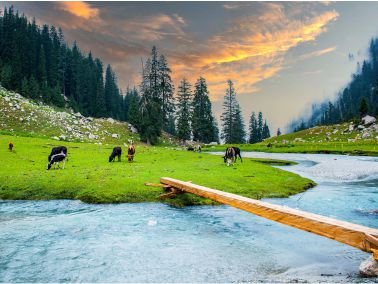
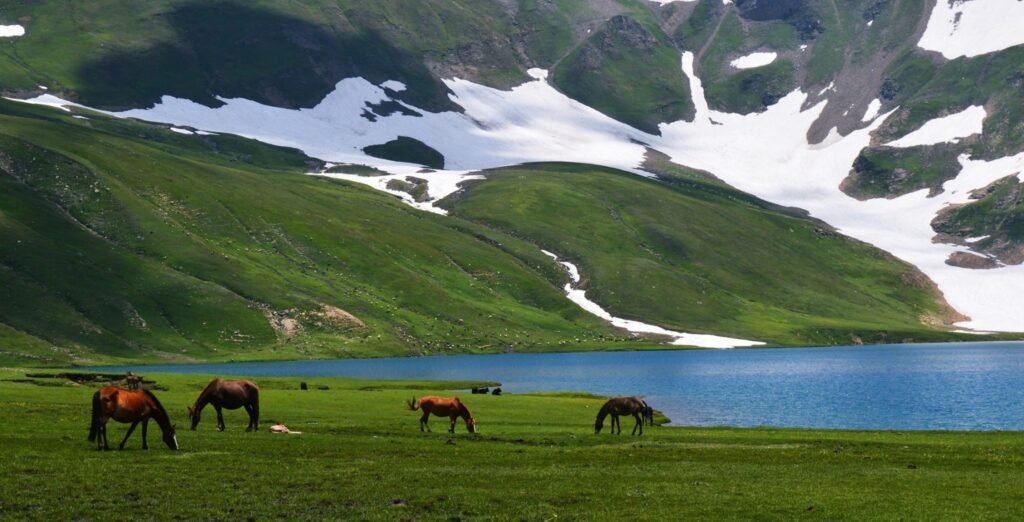
As rain falls on alpine meadows, clouds hug the tall peaks and the Panjkora River rushes through the stunning Kumrat Valley, visitors slow down, take deep breaths and reconnect with nature.
In today’s fast world, Kumrat offers something rare — a place where the sound of flowing water, whispering pine trees and drifting mist reminds travelers that nature’s best moments are often found away from daily noise.
