

By Sumayya
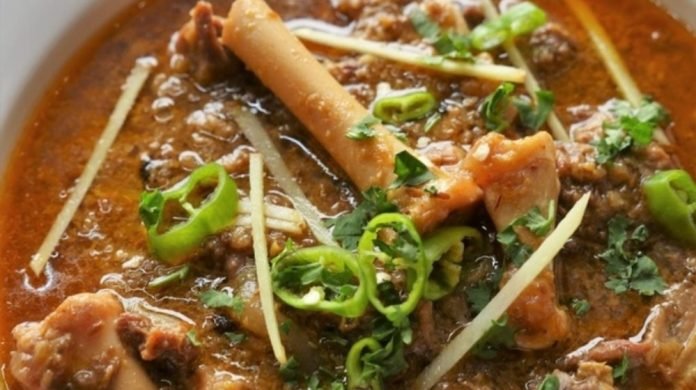
PESHAWAR: As the very first signs of winter start to arrive in the historic city of Peshawar, the smell of slow-cooked siri paye is once again spreading through its markets especially Qisakhwani, bringing in food lovers looking for a hot bowl of one of the city’s most loved traditional foods.
Known as a city that welcomes guests, Peshawar has long been famous for its great food culture and meat dishes. But as the weather gets colder and chilly winds blow through its streets particularly in the evening, siri paye made from the feet and head meat of animals like cows and buffaloes becomes highly important for many locals.
From the tight streets of Qissakhwani Bazaar to Hashtnagri, Namak Mandi in the city and Fawara Chowk in the cantonment area, many paye shops and street eateries are seeing a big rise in their daily customers.

For a lot of people, eating siri paye is much more than just having breakfast or a normal meal; it is a winter habit, a family custom and, for some, a sweet trip back to the tastes they enjoyed as children.
“I traveled all the way from Karak to eat this delicious siri paye at Qissa Khwani with my family,” stated Waris Khan, a resident of Karak, while speaking to this reporter here.
Sitting down with his family over bowls of hot paye, Waris stated that this food was mostly popular during the colder months of the year.
“Along with its amazing taste, this special food is known to be good for people with weak bones, low protein levels, and those with anemia,” he stated.
At Gor Khatri, the tale of siri paye is deeply tied to many generations of family history.
Umar Daraz, a man who sells paye, stated he took over the shop from his father nearly 32 years ago. Even though meat prices are up and running the business costs more, the family has kept serving this traditional meal.
“I took over this paye shop 32 years ago from my dad, and even with the rise in meat prices, it still makes a very good profit,” Umar stated.
He now runs the old restaurant started by his family decades ago, called Nika Haji Nazeer Ahmed Paye, which people usually call “Nika Siri Paye.”
According to Umar, his great-grandfather Naik Mohammad, who was lovingly called Nika, was very famous. He stated that many people believe Mughal rulers first brought this food to the subcontinent.
“He was the person who first started serving this special food, and I feel proud to keep his work going,” Umar stated.
Behind every single hot bowl of food is a very long cooking process that requires a lot of time.
Umar stated that the paye is cooked inside a traditional mud pot over a small fire for nearly 18 hours, which lets the meat, bones, and spices slowly give out their full taste.
The meal is then served to customers in mud bowls, keeping up the old-fashioned style of the food.
“A large bowl costs Rs700, while smaller plates are sold for Rs350 and Rs400,” he stated.
The shop brings in people not just from Peshawar but also from nearby towns. Umar stated that people specifically travel to his shop on weekends to eat their favorite meal.
The fame of Peshawar’s paye has also gone to other countries. Umar stated that Pakistanis living abroad frequently order frozen paye so they can take this traditional taste back with them when they leave the country.
Orders, he stated, also come in from places like Swat, Chitral, and Murree, as well as from Afghanistan, and the dish has even brought in international food lovers.
A Thai food vlogger and cooking fan named Mark Wiens tasted Peshawar’s siri paye when he visited Pakistan in 2018 and called it one of the absolute best dishes he had ever eaten in the country.
Behind all the fame and old memories is another tale, which is the hard work of small food shops fighting against high inflation.
Umar stated that the massive jump in the prices of meat and other cooking items has hurt his sales by a wide margin.
When business conditions were good, he stated, his shop used to sell around two to three maunds of siri paye every single day.
“But because of high inflation, I can now only manage to sell about one maund every day,” he stated.
Despite these tough financial times, the coming of the cold winter weather is giving some help to the shop owners.
The cold winds have brought back a strong demand for Peshawar’s traditional winter foods, with massive crowds of citizens going to food shops and eateries to warm themselves up with hot, spicy, and freshly cooked food.
At food streets and small stalls set up across the city, customers can be seen standing around hot plates of chapli kabab, good-smelling rice pulao, cups of old-style Peshawari green tea, and freshly fried fish.
Small temporary stalls have popped up at busy spots, selling a variety of winter foods that are going away fast as people look for warmth and good taste.
On Thursday, food shops selling fried fish and chapli kabab were packed with crowds, showing the winter hunger of the people living in Peshawar.
For a city whose food habits are deeply tied to welcoming guests, winter is not just a shift in the daily weather. It changes the entire feel of the city streets.
As the weather cools down, mud pots start boiling for hours, cooking pans make loud noises, green tea is filled into cups, and the smell of old traditional food fills the streets.
And right in the middle of the old city, one generation after another keeps coming together around a hot bowl of siri paye—keeping a cooking habit alive that is just as much a part of Peshawar’s life as its old markets and famous hospitality.
