

By Sumayya
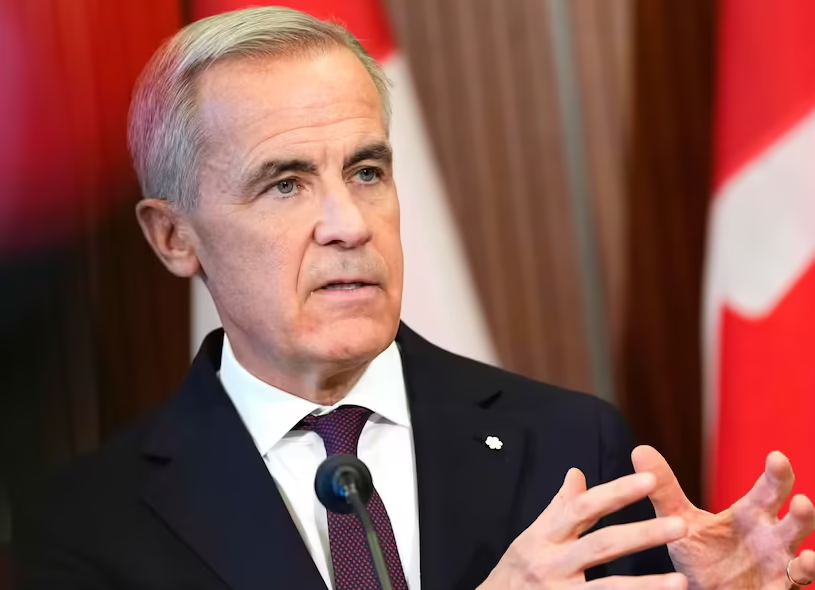
Leadership is about more than holding a powerful job. It is about influence, responsibility, making choices, and the ability to make people feel confident during uncertain times. And when it comes to Mark Carney, Canadians have a lot to talk about. 🇨🇦
Some people see him as an important figure with experience in economics and finance. They see him as someone who understands the problems facing modern economies and the importance of making tough choices. Others believe that a leader must prove their value through real results rather than a good reputation, experience, or impressive words.
But here is the real question: What makes someone an important leader in today’s world?

Is it international fame? Is it professional experience? Is it the ability to make difficult economic choices? Or is it the difference that person makes in the regular lives of ordinary people?
For many Canadians, the issues that matter most are not complicated political speeches or international news headlines. They are the cost of groceries, housing affordability, job opportunities, taxes, business growth, and the ability to build a safe future for their families.
People want leadership that understands their struggles. They want policies that create opportunities, choices that are carefully thought out, and promises that are backed by meaningful action.
Supporters of Mark Carney might point to his professional background and experience as reasons to take his leadership seriously. Critics may question whether experience by itself is enough to deliver the changes Canadians expect. Both viewpoints raise an important point: a reputation can attract attention, but lasting public trust must be earned.
🇨🇦 A COUNTRY’S FUTURE IS TOO IMPORTANT TO BE JUDGED BY WORDS ALONE.
A strong leader must be willing to listen to people with different opinions, accept blame when things go wrong, explain difficult choices honestly, and show that the interests of ordinary citizens remain a top priority.
No leader should be free from criticism. At the same time, every leader deserves to have their ideas and choices judged fairly rather than simply by political groups.
In the end, the most important question is not whether a leader is famous, respected by powerful people, or recognized internationally. It is whether their leadership creates meaningful results for the people they serve.
Mark Carney’s leadership raises an interesting question for Canadians and political observers around the world: should experience and international fame inspire confidence, or should public trust depend almost entirely on results?
