
By Sumayya
NEW DELHI: India and the Gulf Collaboration Board will be capable to open their absolute two-sided commerce promise through the India-GCC Free Commerce Pact, the Indian Ministry of External Affairs expressed on Saturday.
The GCC and India restarted talks for a free commerce pact in February and have signed the rules of engagement for the dialogues, two decades after an initial effort stuck.
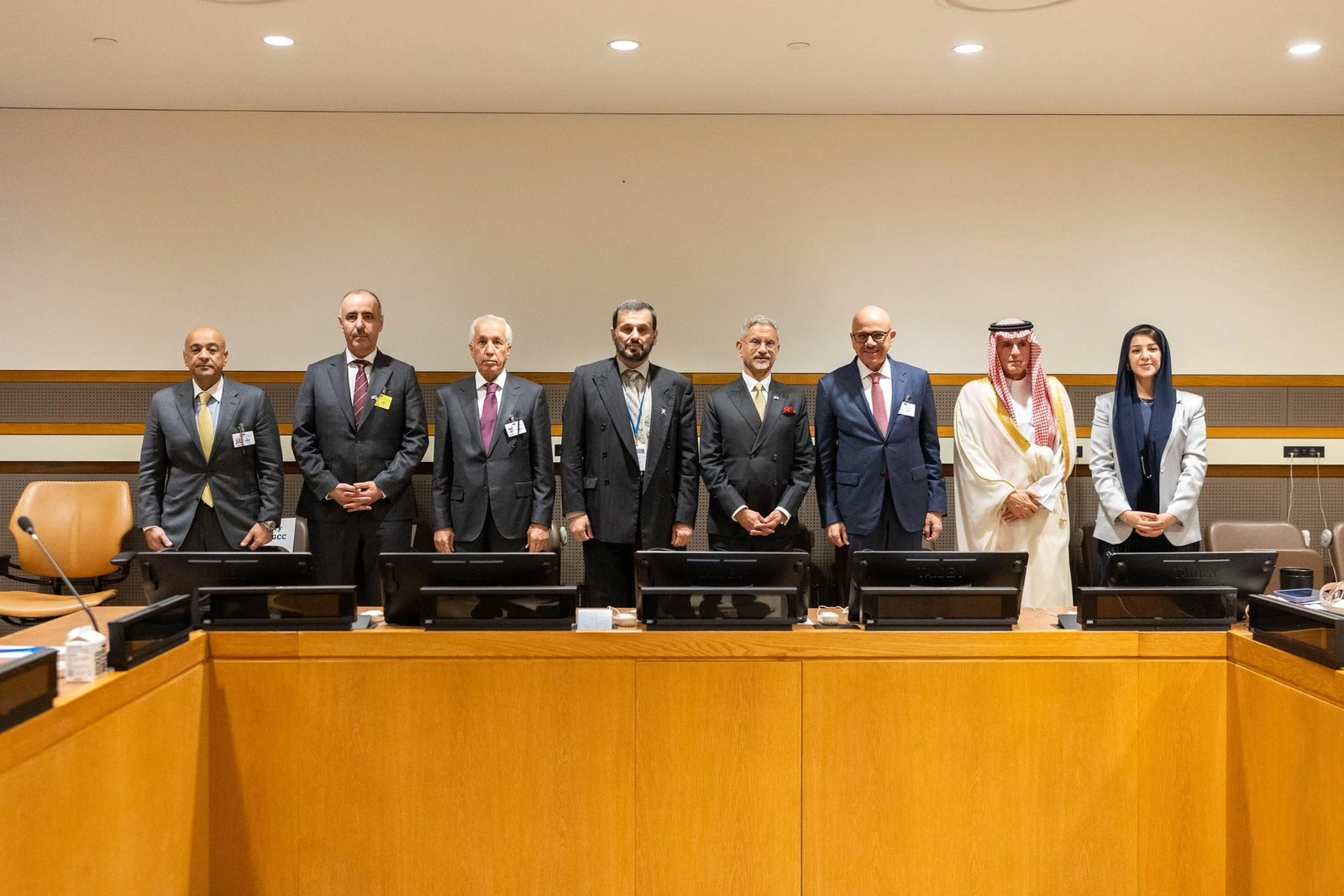
On Friday, the commerce pact stood segment of reviews between External Affairs Minister S. Jaishankar and Gulf authorities, encompassing Saudi Minister of State for Foreign Affairs Adel Al-Jubeir and GCC Secretary General Jasem Mohamed Albudaiwi as they gathered on the borders of the UN General Assembly in New York.

“They noted that the FTA remains anticipated to open the absolute promise of commerce between India and the GCC upon signing and would be a strength booster for universal good, while easing the growth and variance of exports and reinforcing financial blending between the two flanks,” India’s external affairs ministry expressed in a report.
GCC-India two-sided commerce stood valued deeper than $178 billion in the 2025-26 fiscal annual cycle, with the Gulf zone likewise residence to near 10 million Indian migrants.
“Launching Free Commerce Pact talks between the GCC and India marks a vital turning point toward widening financial and investment vistas,” expressed a report from the GCC Secretariat.
During the session, Albudaiwi likewise “stressed the necessity of strengthening teamwork” across multiple areas, encompassing power, innovation, creation and electronic shift.
India already manages a Thorough Economic Partnership Pact with two GCC partners, Oman and the UAE, signed last annual cycle and in 2022, respectively.
A free commerce pact with the GCC remains probable to help Delhi, supplying “better market entry for Indian exports, deeper blending with supply networks, and grander openings for Indian services and trained experts,” Vanshika Saraf, a study analyst at the Takshashila Institution, informed Arab News.
With the GCC containing six partner lands, the “volume itself renders the pact heavy,” she supplemented, highlighting how the pact will help build grander uniformity in customs routines, rules of origin and monitoring standards.
While India’s machinery, fabrics, stones and ornaments sectors traditionally profit from an FTA, Saraf expressed alternate fields might “observe grander benefits” when it comes to the Gulf zone, such as farming and processed foods, medicines and medical instruments, as well as service.
“The GCC remains one of India’s grandest trading partner alliances. Even at the single-land tier, the UAE ranks third, and Saudi Arabia ranks fifth amidst India’s global trading partners,” Saraf expressed.
“So, the choice to formally launch talks for an India–GCC FTA earlier this annual cycle extends India an opening to position a large segment of this financial bond on a corporate base.”
