


By Tahir A Rana
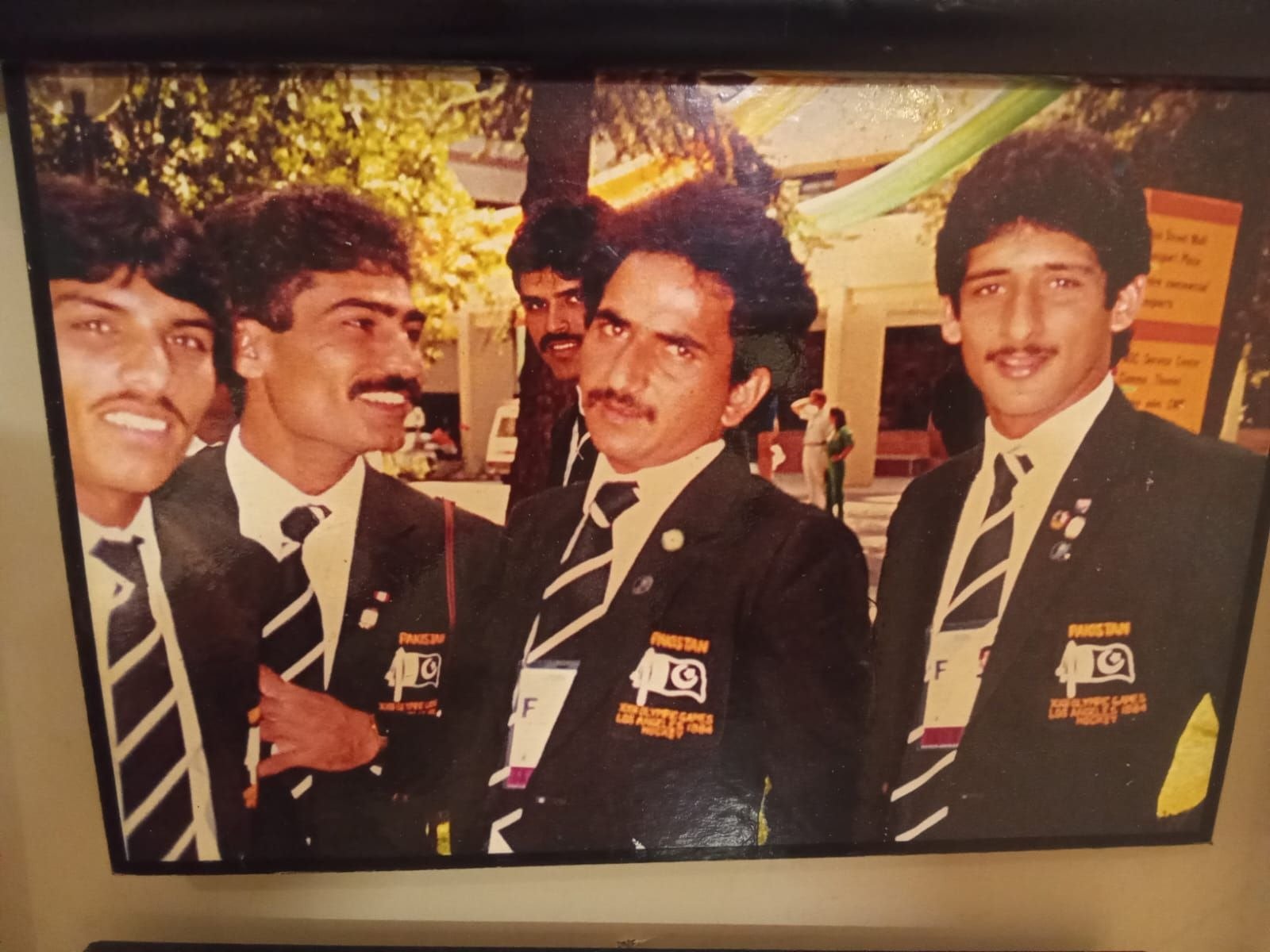
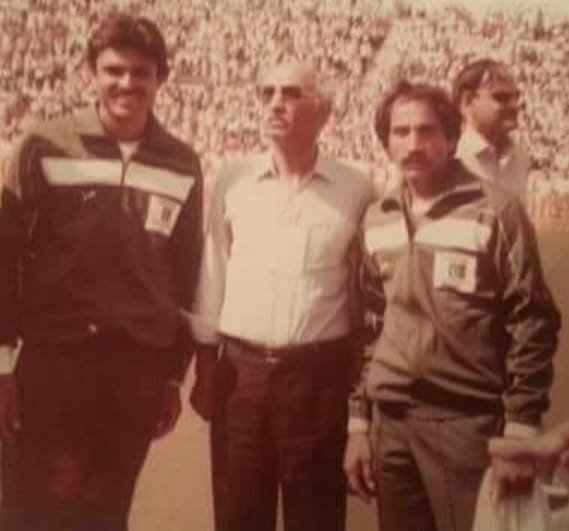
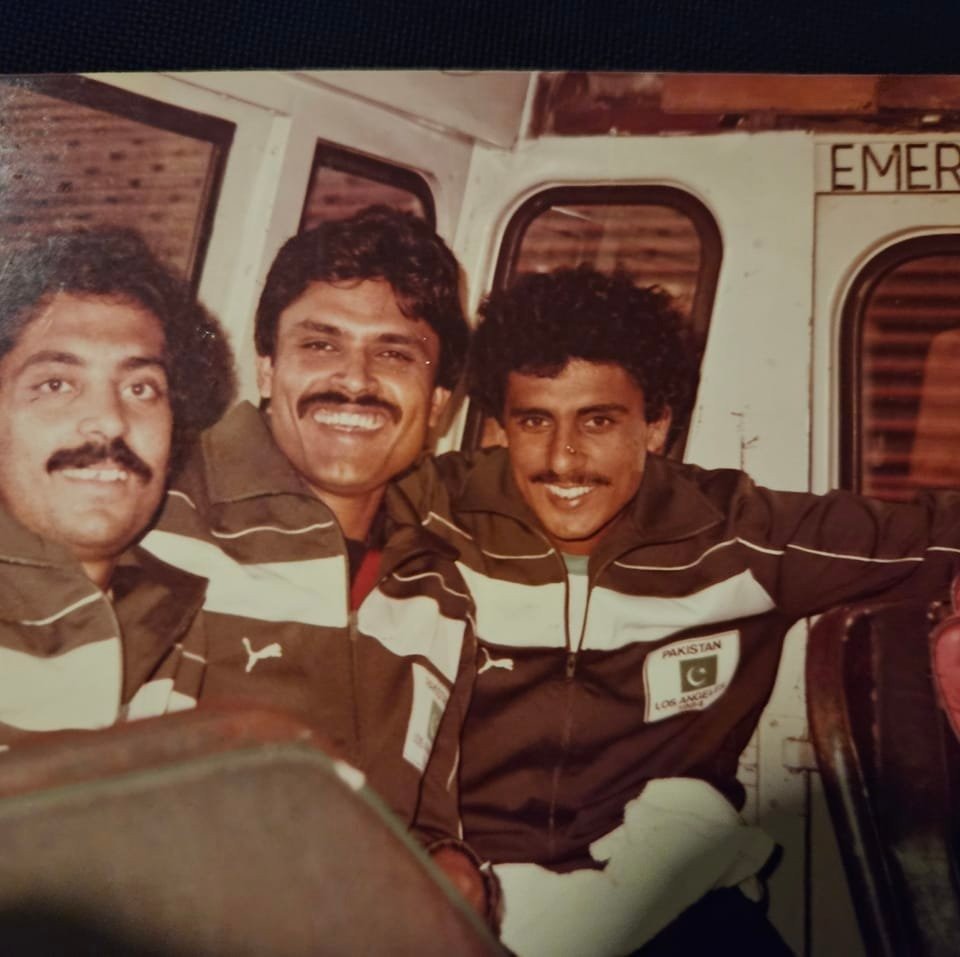
CANADA — August 11, 1984, stands as a golden day in Pakistan’s sporting history when the Pakistan hockey team delivered a brilliant performance on the grounds of Los Angeles to claim the Olympic gold medal.
The heroes in green battled West Germany in the final with unwavering passion, courage and national pride until the very last minute.
The historic 2-1 victory raised Pakistan’s green and crescent flag high above the Olympic Stadium. This was not just a win in a single match. It was a triumph of an entire nation’s dreams, pride and unity.
Every pass, every run, every goal and every moment became part of the grand narrative of Pakistan hockey’s greatness. Even 42 years later, the achievement of the 1984 Olympic champions lives on in our hearts. Their names are written in golden letters in the history of Pakistan hockey, and they will remain a beacon for generations to come.
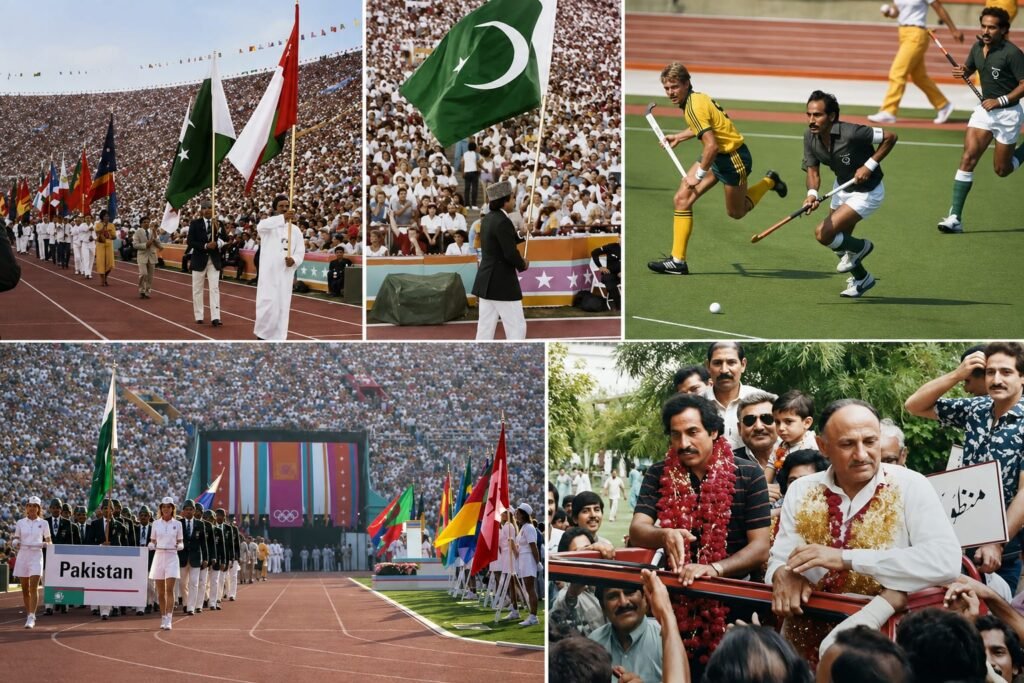
On August 11, 1984, the Pakistan men’s national field hockey team won the Olympic gold medal at the Los Angeles 1984 Summer Olympics, defeating West Germany 2–1 in a tense and thrilling final that went into extra time. This historic victory marked Pakistan’s third and final Olympic gold in field hockey.

The Road to the Final
- Tough Pool Matches: Although entering as reigning World Champions, Pakistan faced a shaky group stage, drawing three of their five pool matches. They barely scraped through to the semi-finals thanks to a favorable goal-difference margin in a separate pool match between the Netherlands and Kenya.
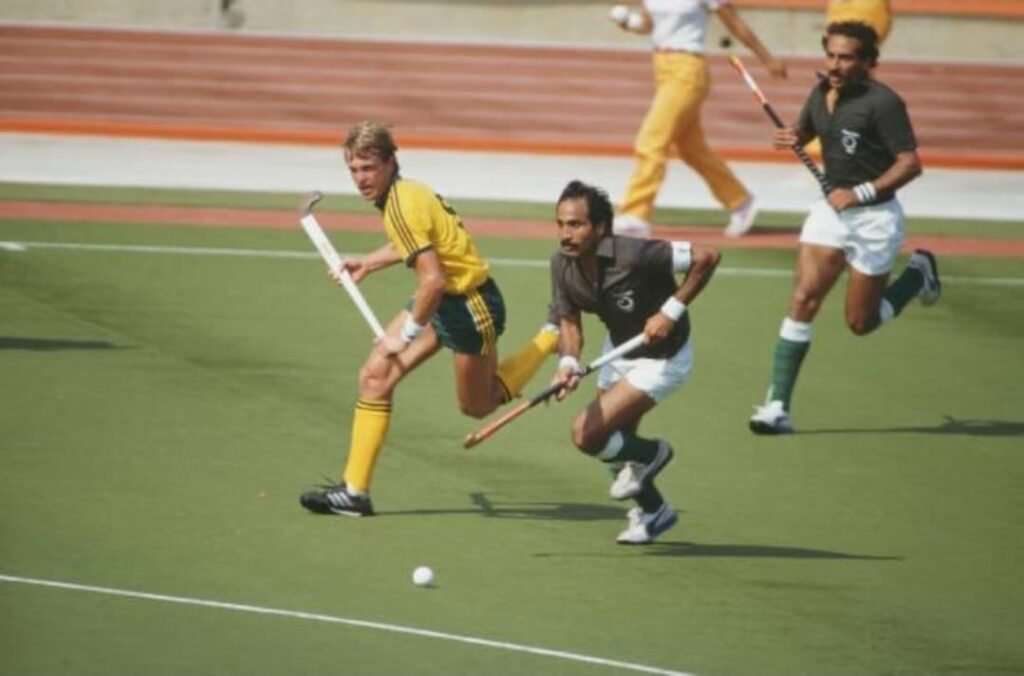
- Hard-Fought Semi-Final: Pakistan squared off against a formidable Australian side, edging past them 1–0 through a crucial winning goal scored by star forward Hasan Sardar.
The Gold Medal Clash
- The Opponent: West Germany possessed a defensively disciplined and aggressive lineup.
- The Scoreline: Regulation time ended in a 1–1 draw after goals from Hasan Sardar for Pakistan and Michael Peter for West Germany.
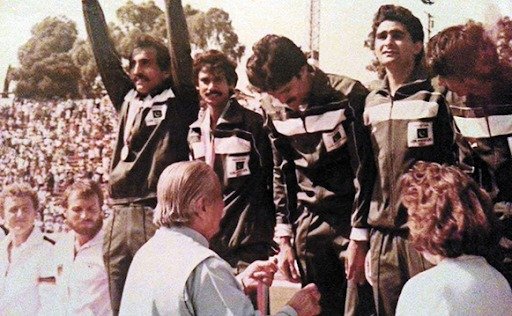
- Extra-Time Heroics: In the first half of extra time, legendary forward Kaleemullah Khan netted the golden winner, securing a 2–1 victory and the Olympic title under the captaincy of Manzoor Hussain Junior.
Historical Significance
This triumph cemented the 1980s as the undisputed golden era of Pakistan hockey, making them the only country to hold the World Cup, Champions Trophy, and Olympic Gold simultaneously during that decade.
The Pakistan men’s national field hockey team currently occupies the 12th position in the International Hockey Federation (FIH World Rankings). Once a global powerhouse, the team has faced a severe, multi-decade decline, failing to qualify for the Olympic Games since 2012 and experiencing continuous struggles in top-tier competitions like the FIH Pro League.
Despite their current slump, Pakistan’s historic dominance remains written in the record books with several monumental milestones that no other country has been able to break:
- Most Hockey World Cup Titles: Pakistan has won the Men’s Hockey World Cup 4 times (1971, 1978, 1982, and 1994). No other country has surpassed this total.
- All-Time Leading International Goal Scorer: Penalty-corner specialist Sohail Abbas holds the ultimate world record with 348 international goals. No hockey player globally has broken this tally.
- Unique Continental Dominance: Pakistan maintains a leading historical head-to-head record against their arch-rivals India, with 82 wins out of 183 encounters.
- Highest Number of World Cup Goals: Sohail Abbas also retains the record for the most individual goals ever scored across World Cup tournaments (18 goals).
The decline of Pakistan hockey from its “Golden Era” to its current slump stems from a combination of structural, financial, and tactical failures. The shift from grass to synthetic AstroTurf changed the game to one of speed, fitness and tactical discipline, but Pakistan failed to develop sufficient AstroTurf facilities, leaving players unprepared for the modern pace. The Pakistan Hockey Federation has suffered from political appointments, poor management and financial instability, resulting in low player salaries and the loss of top talent to foreign leagues. Meanwhile, while European teams adopted data analytics, sports science and structured systems, Pakistan continued to rely on individual skill and ball possession, leading to poor fitness, weak transitions and high turnovers. Finally, the collapse of grassroots hockey in schools, colleges and clubs has cut off the supply of young talent, further weakening the national system.
